Before the Silk Road, There Was Silk
Everyone knows the Silk Road — the ancient trade route connecting China to Rome. But few know that silk from Sichuan reached Central Asia 200 years before Zhang Qian "opened" the route in 126 BC.
And even fewer know where that silk came from.
The answer lies in Nanchong — a city on the Jialing River in northeastern Sichuan, where mulberry trees have grown for three millennia, where silkworms have been raised since before recorded history, and where the thread that connected the world first began to unspool.
Today, Nanchong holds two titles no other city can claim: "China's Silk Capital" (中国绸都) and "The Origin Point of Silk" (丝绸源点). This is the story behind those titles.
The Legend of Leizu: How Silk Was Born
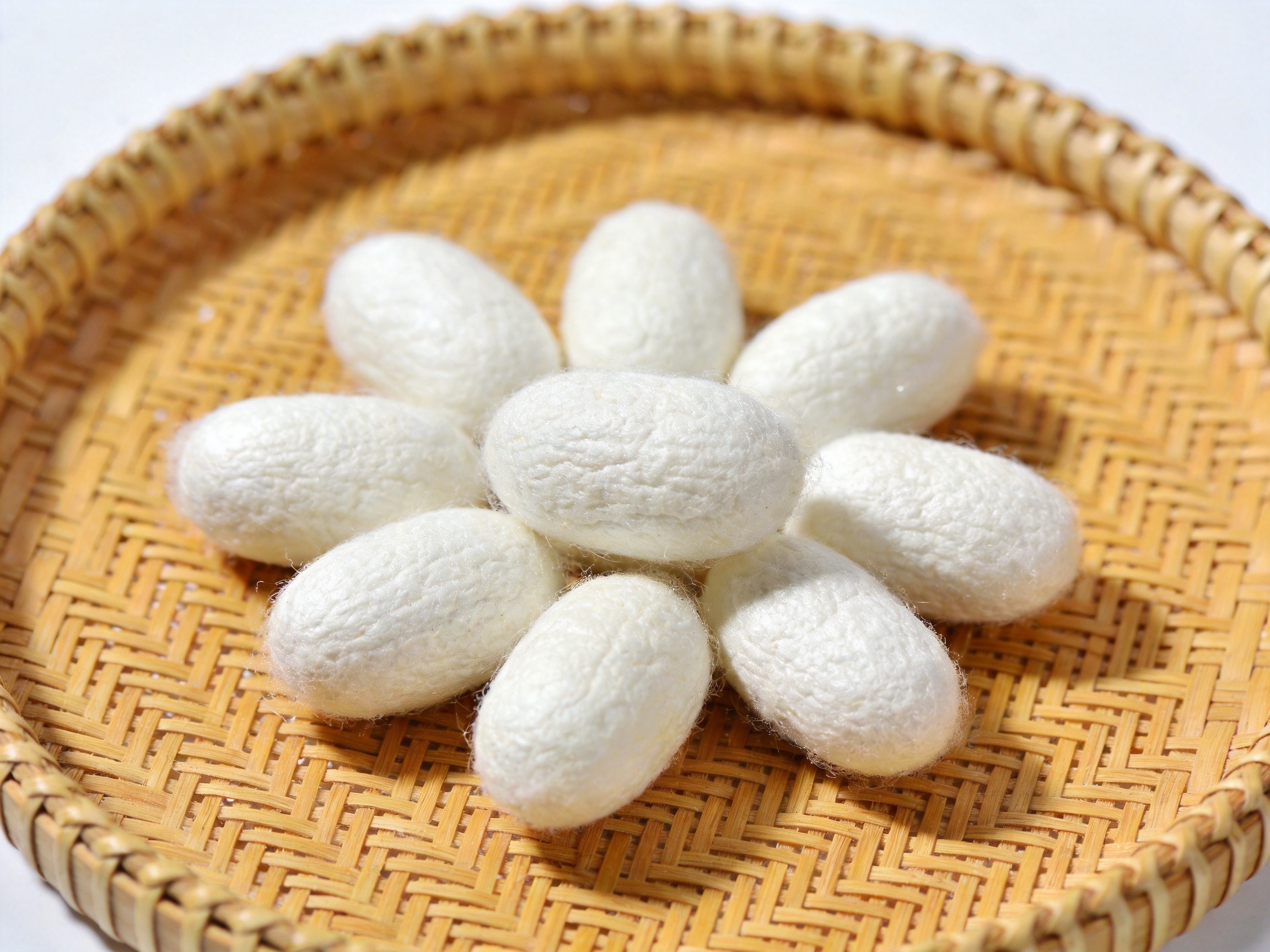
Every civilization has its origin myth. For silk, that myth has a name: Leizu (嫘祖).
According to legend, Leizu — the wife of the Yellow Emperor — was sitting under a mulberry tree, drinking tea, when a silkworm cocoon fell into her cup. The hot water softened the cocoon, and as she pulled it out, a single gossamer thread unspooled — nearly a kilometer long, shimmering, impossibly fine.
Was it really an accident? Or was it the careful observation of a woman who had watched silkworms spin for years? We'll never know. But Leizu's people — the Xiling (西陵) — lived in what is now Sichuan, and from this moment, everything changed.
She didn't just discover silk. She invented the entire process: cultivating mulberry groves, domesticating silkworms, building the first reel, creating the first loom. She taught other women to do the same — and in doing so, she transformed a curiosity into a civilization.
The earliest archaeological evidence of silk production dates to around 3000 BC at the Qianshanyang site in Zhejiang. But the living tradition — the unbroken chain from wild cocoon to woven cloth — traces back to Sichuan.
The Southern Silk Road: Older Than the One You Know
Here's something most people don't know.
The famous Silk Road — the one that starts in Xi'an and crosses the Gobi Desert — wasn't the first one.
When the Han Dynasty envoy Zhang Qian arrived in Bactria (modern-day Afghanistan) in 126 BC, he was shocked to see a fabric the locals called "Shu cloth" (蜀布). He asked where it came from. They said: India.
But India wasn't the source. Scholars have traced the route: the silk traveled from Nanchong, down the Jialing River, through Yunnan, across Myanmar, into Bengal, and then north to the bazaars of Central Asia.
A Southern Silk Road (南方丝绸之路) — older than the northern route by at least two centuries. And Nanchong was its starting point. The zero kilometer.
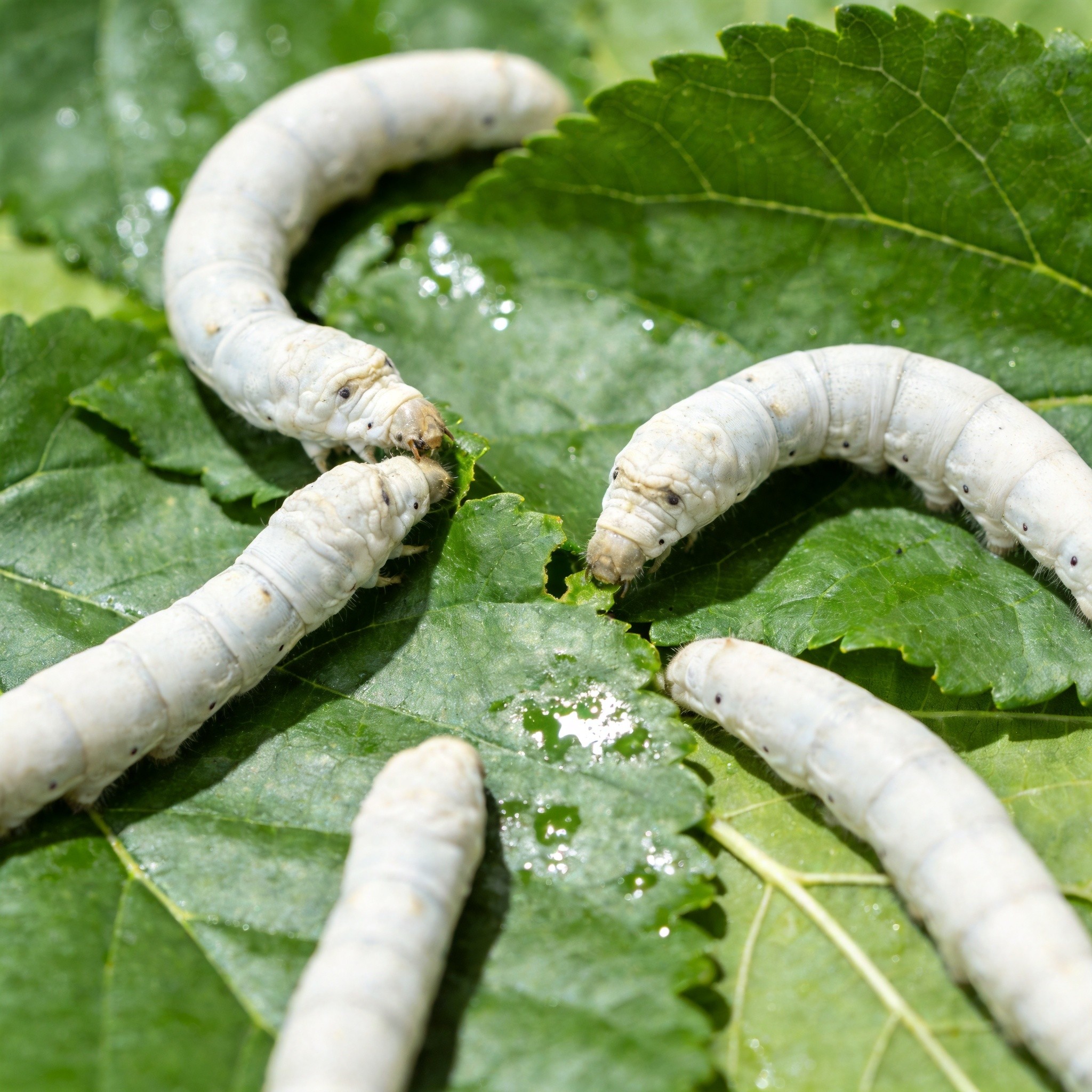
This wasn't guesswork. The historian Ren Naiqiang — a native of Nanchong's Jialing district and one of China's foremost scholars of southwest history — identified "Shu cloth" as the "Huangrun" (黄润) fine silk described in the Huayang Guozhi (华阳国志), produced in what is now the Nanchong area. And the Indian text Arthashastra, dating to the 4th century BC — two centuries before Zhang Qian — already mentions "bundles of silk from China."
Nanchong's silk was reaching the world before the world even knew its name.
The Golden Age: When Every Family Wove Silk
By the Tang Dynasty (618–907 AD), Nanchong — then called Guozhou (果州) — had become the undisputed silk capital of China.
"Patterns taken from heaven, woven on earth — the sound of looms fills the entire city."
— Tang Dynasty description of Nanchong
This wasn't poetic exaggeration. Every family raised silkworms. Every household had a loom. The imperial court designated ten different Nanchong fabrics as official tribute, including the legendary Huahong Ling (花红绫) — a crimson silk so exquisite that it was exported to Japan, where it survives to this day as a national treasure in the Shōsō-in Repository at Tōdai-ji temple in Nara.
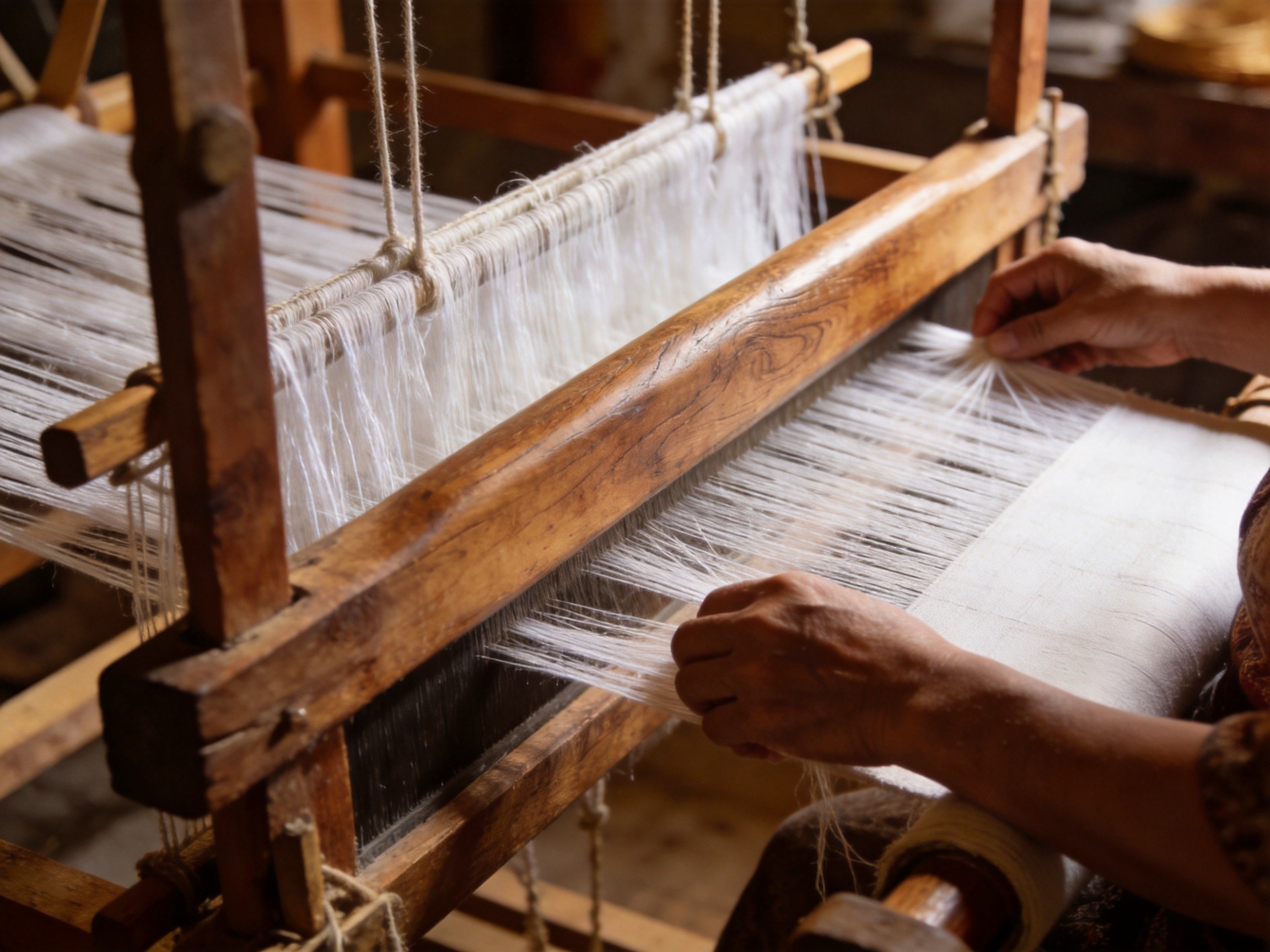
By the Song Dynasty, Nanchong had surpassed even Chengdu as Sichuan's silk center. According to the Song Huiyao (宋会要), the volume of silk Nanchong supplied to the imperial court exceeded Chengdu's in every category. The poet and official Shao Bowen, serving as prefect of Guozhou, wrote:
"Ten thousand lanterns along the spring roads, ten miles of silk beneath the moonlit sky."
Silk wasn't just an industry in Nanchong. It was the city's identity.
From Ashes to Gold: The Modern Reinvention
The story of Nanchong silk is not one of uninterrupted glory. The Yuan Dynasty invasions nearly destroyed it. The Ming-Qing transition devastated the mulberry groves. Each time, the industry rebuilt itself from nothing.
But the most dramatic reinvention came in the early 20th century.
In 1912, the democratic revolutionary Zhang Lan (张澜) — who would later become one of modern China's most important political figures — co-founded a silk factory on the banks of the Jialing River, putting into practice his belief that industry could save the nation.
Three years later, in 1915, Nanchong's raw silk won the gold medal at the Panama Pacific International Exposition in San Francisco — the world's fair that celebrated the opening of the Panama Canal. Ten years after that, Nanchong won again with its "Golden Deer" (金鹿牌) brand.
A city from inland Sichuan, beating the world's best — twice.
By the 1980s, Nanchong's silk industry reached its peak. Silk factories employed tens of thousands, and their products — from fine fabrics to parachutes — were exported across Europe and beyond. The city was designated one of China's four major sericulture bases and fifteen key silk production and export hubs.
Silk Today: The Thread That Never Broke
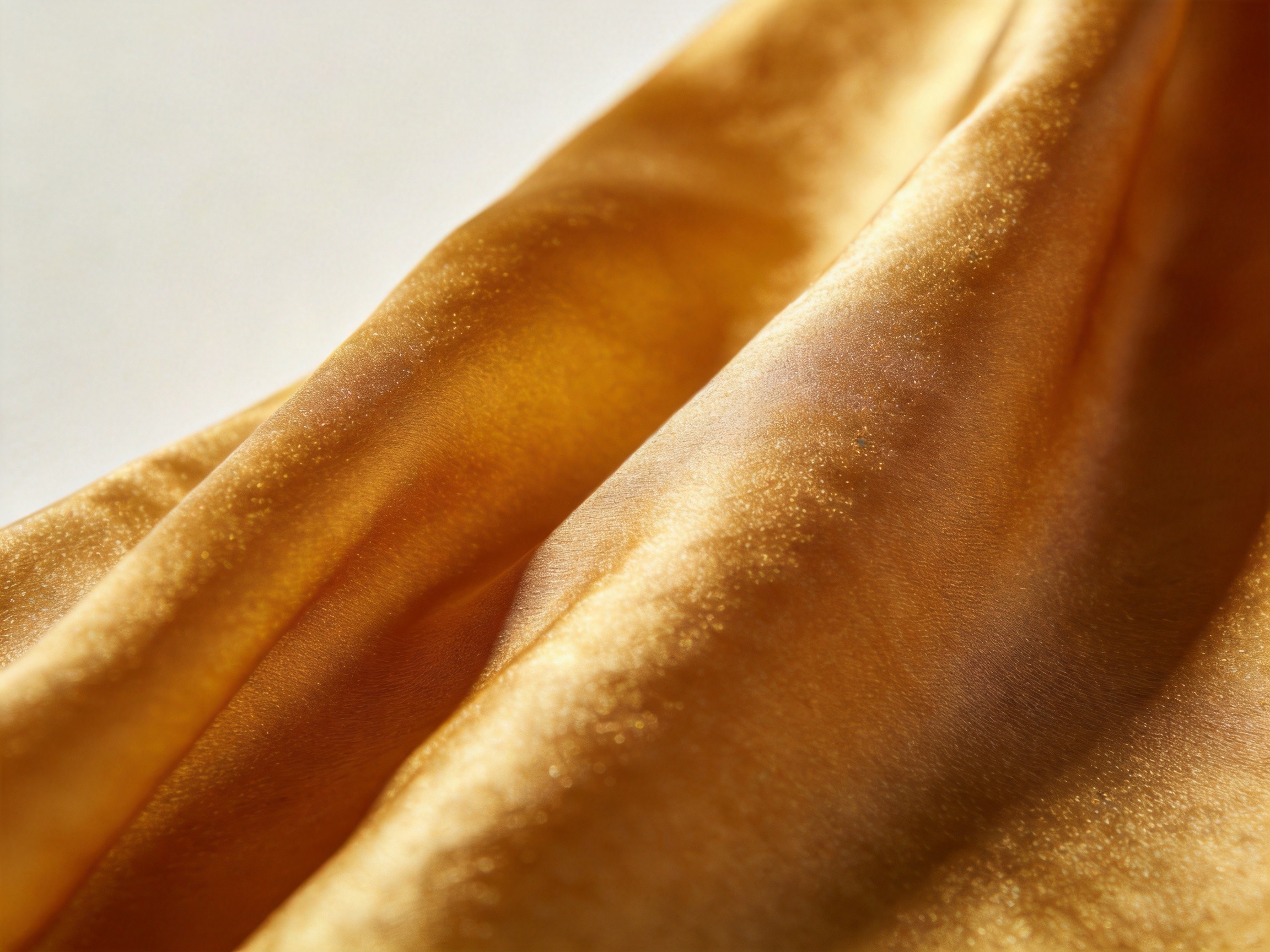
Three thousand years. That's how long Nanchong has been making silk. Through dynasties and revolutions, through wars and market crashes, through the rise and fall of empires — the thread has never broken.
Today, the numbers tell the story:
- 40,000+ farming families still raise silkworms
- 30,000+ acres of mulberry groves line the hills
- 73 companies spin, weave, dye, and finish — from cocoon to garment
- Products reach 40+ countries, including Germany, France, and the United States
- Annual sericulture output exceeds 1.7 billion RMB
In 2005, the China Silk Association named Nanchong "China's Silk Capital" — the only city in western China to receive the title. In 2016, it was further designated as "The Origin Point of Silk" — a recognition that the silk story, in its deepest roots, begins here.
And in 2012, Nanchong silk received National Geographical Indication protection — the same status given to Champagne and Parma ham — protecting its name, quality, and heritage under Chinese law.
Why It Matters
In a world of synthetic fabrics and fast fashion, Nanchong's silk represents something different: a supply chain measured not in months, but in millennia. A product whose quality is guaranteed not just by standards, but by 3,000 years of accumulated craft.
When you source silk from Nanchong, you're not buying a commodity. You're buying into a tradition that predates the Roman Empire itself — a tradition that survived every disaster history could throw at it, and emerged each time with its standards intact.
Sources & Further Reading
- 《华阳国志·巴志》— Early records of Nanchong's sericulture
- Zhang Qian's Discovery of "Shu Cloth" in Central Asia — Sichuan Provincial Archives
- 3,000 Years of Silk Manufacturing — Nanchong Municipal Government
- Nanchong Silk — National Geographical Indication Product
- Nanchong: City of Silk — China News Service